
Full 25-point door and opener safety check with every visit - springs, cables, rollers, tracks, and your LiftMaster or Chamberlain opener included
You get a price before we start. It does not change when the truck arrives.
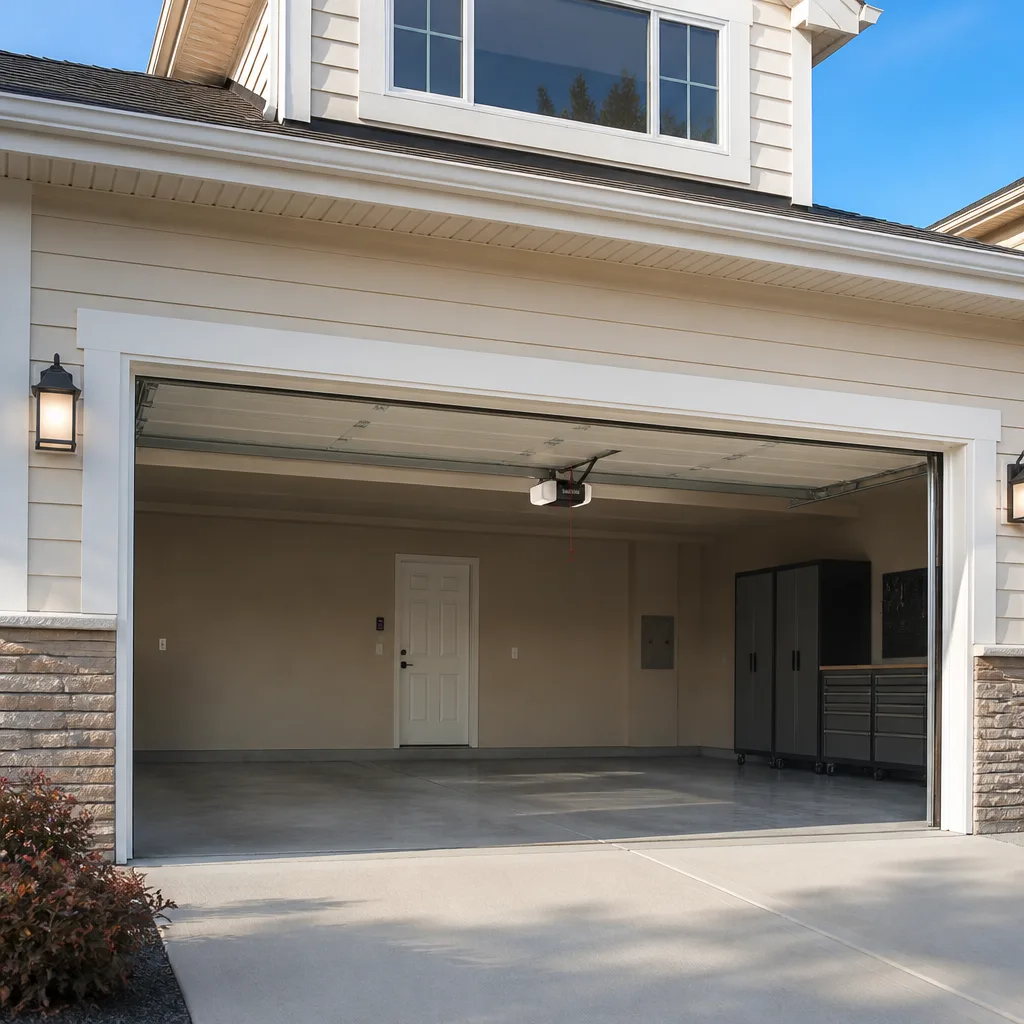
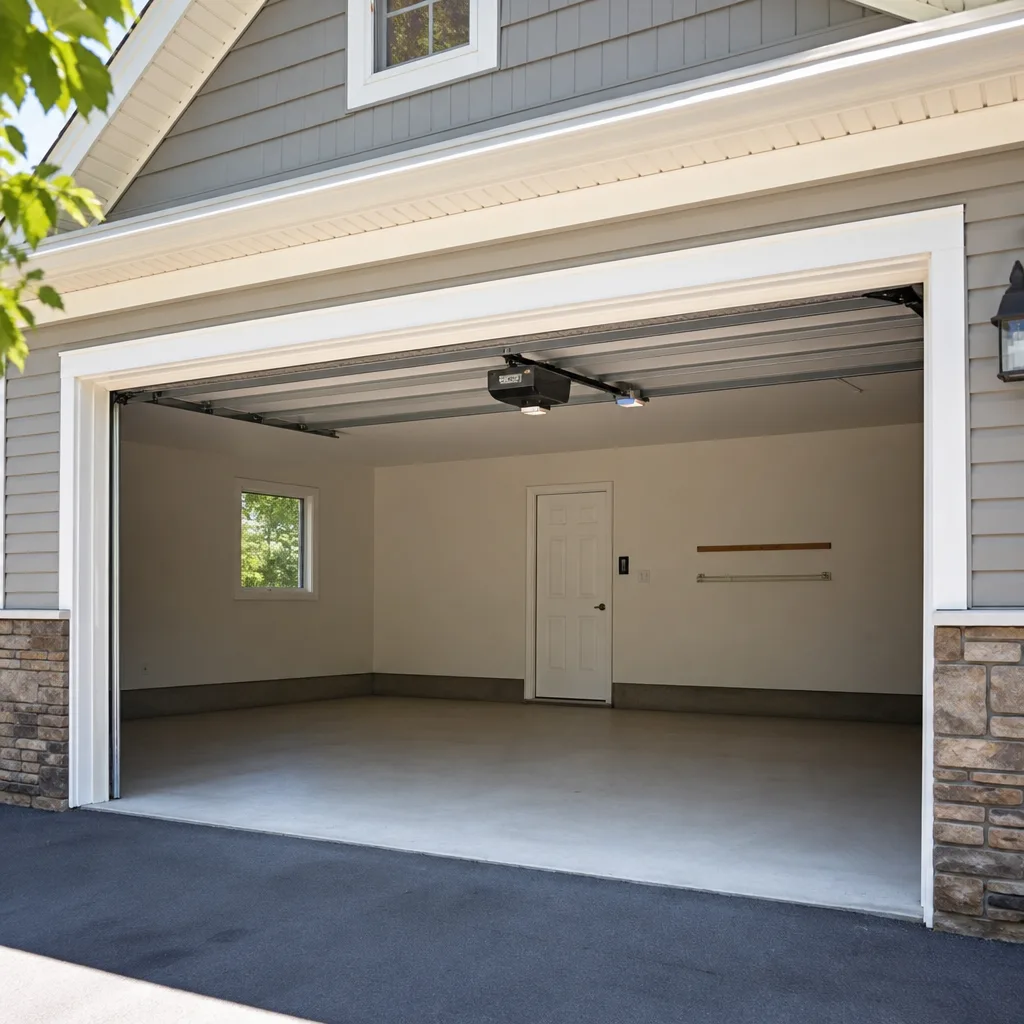
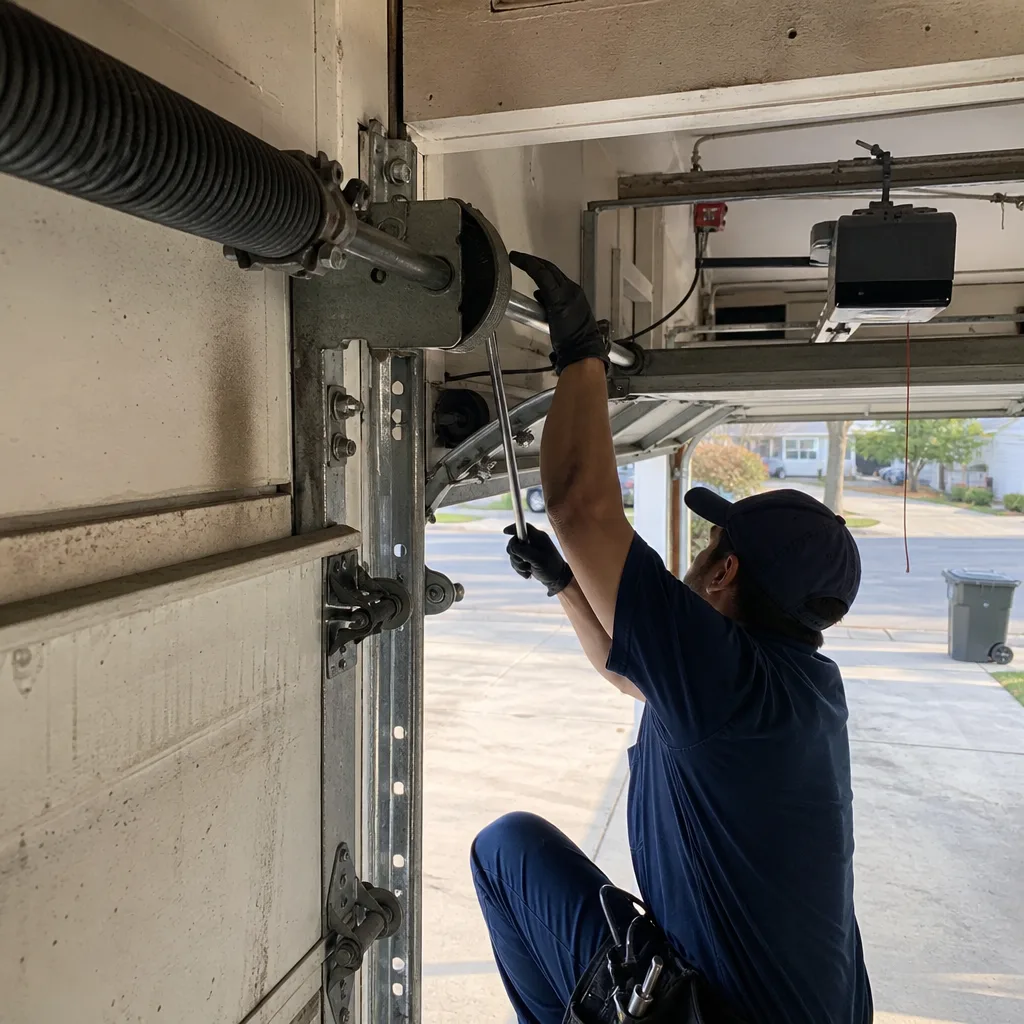 Before
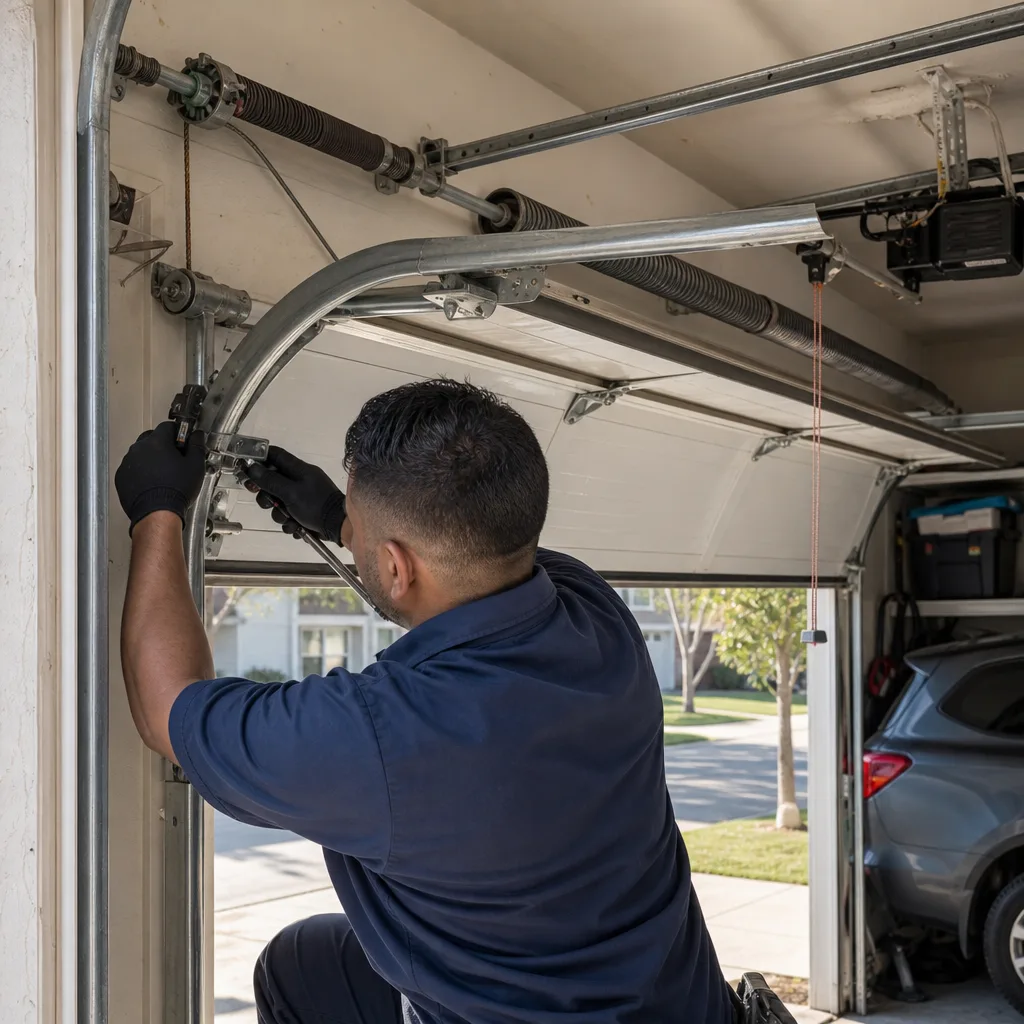 After
After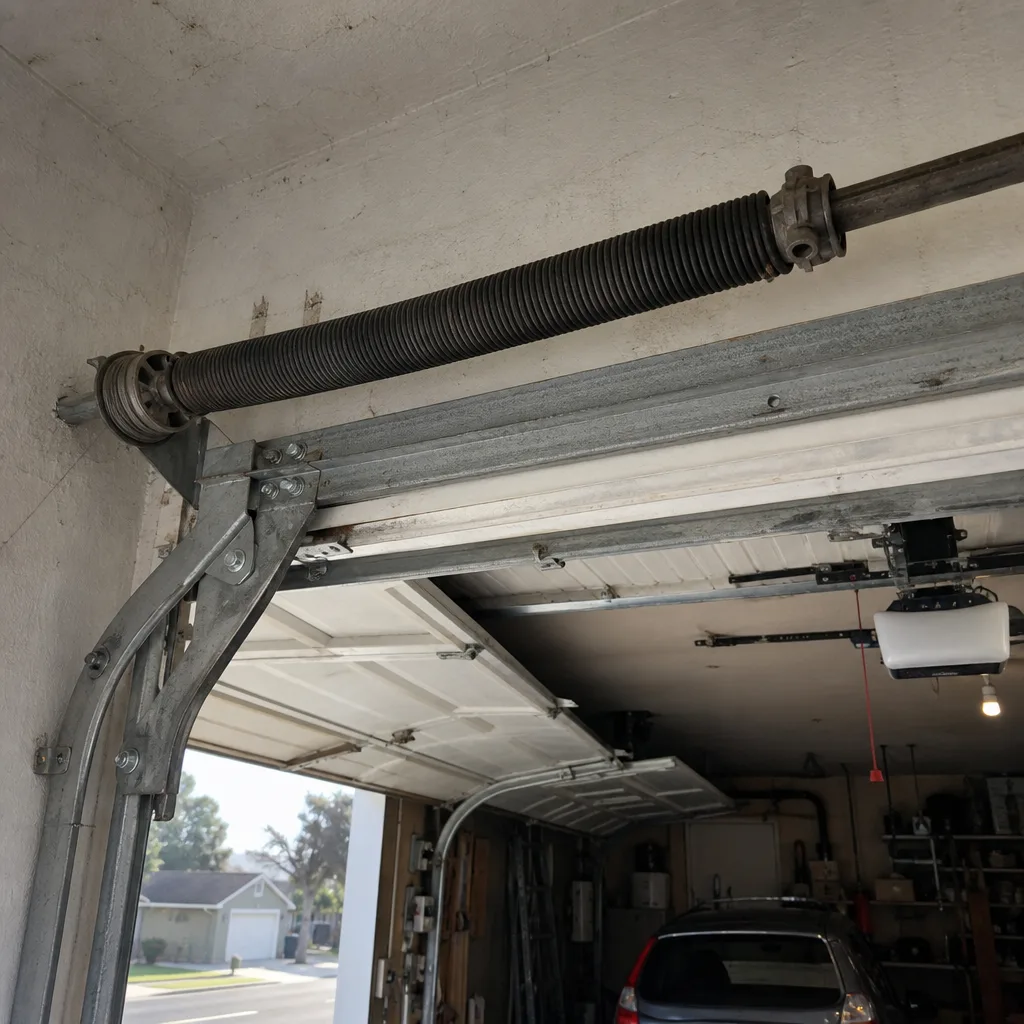 Before
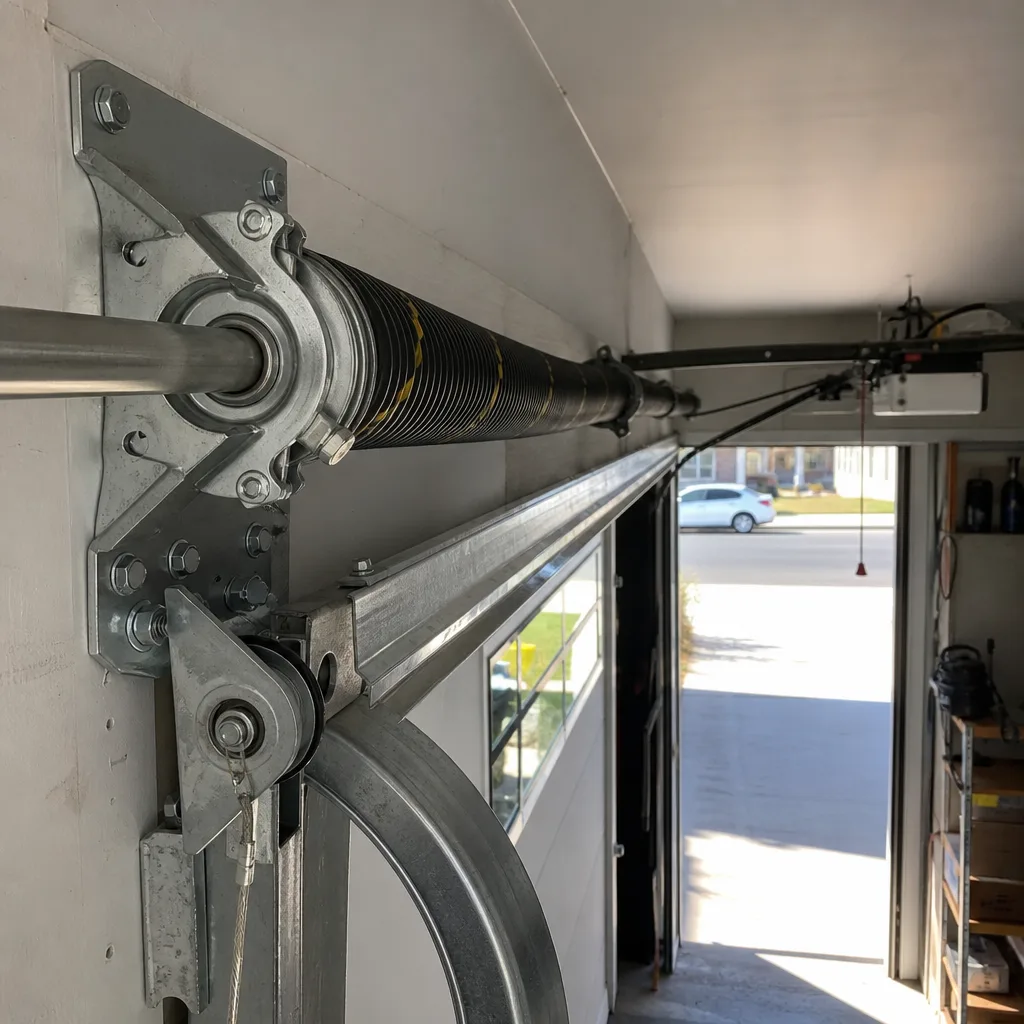 After
After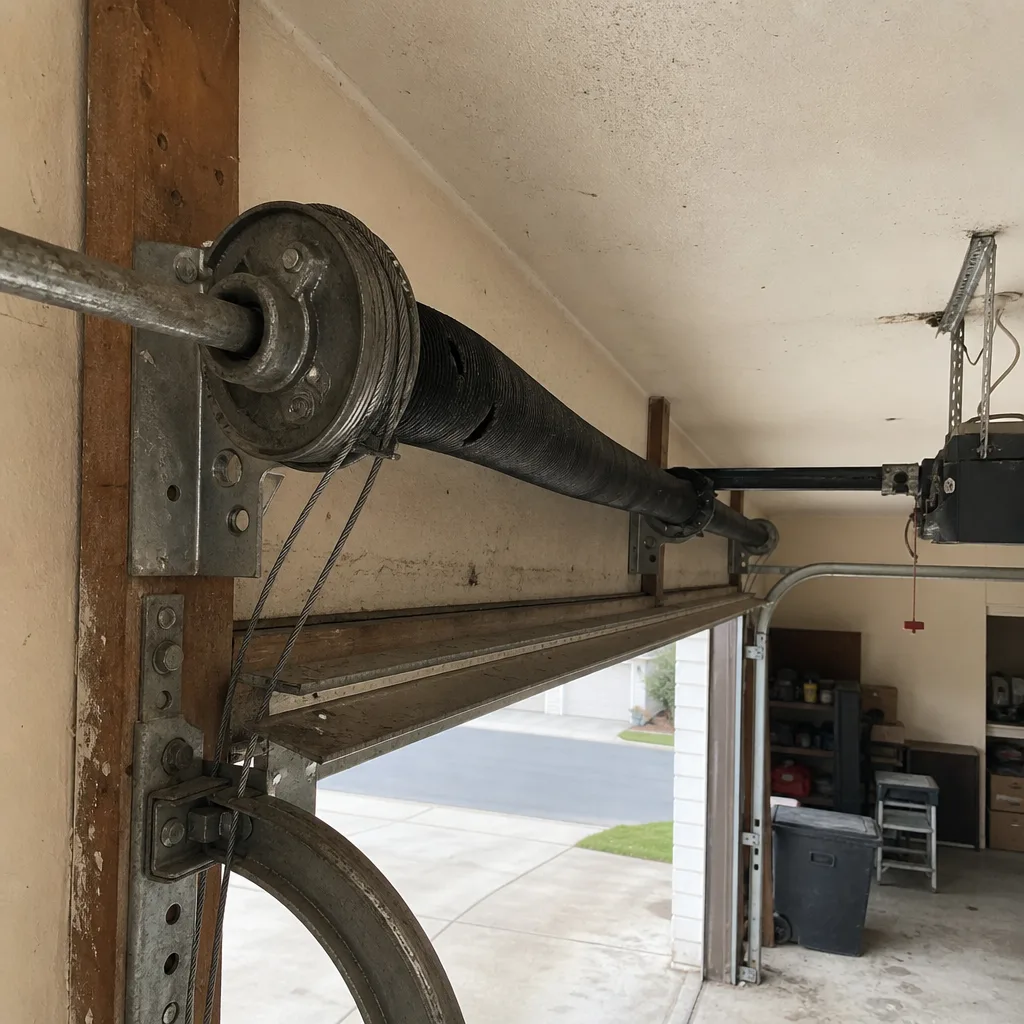 Before
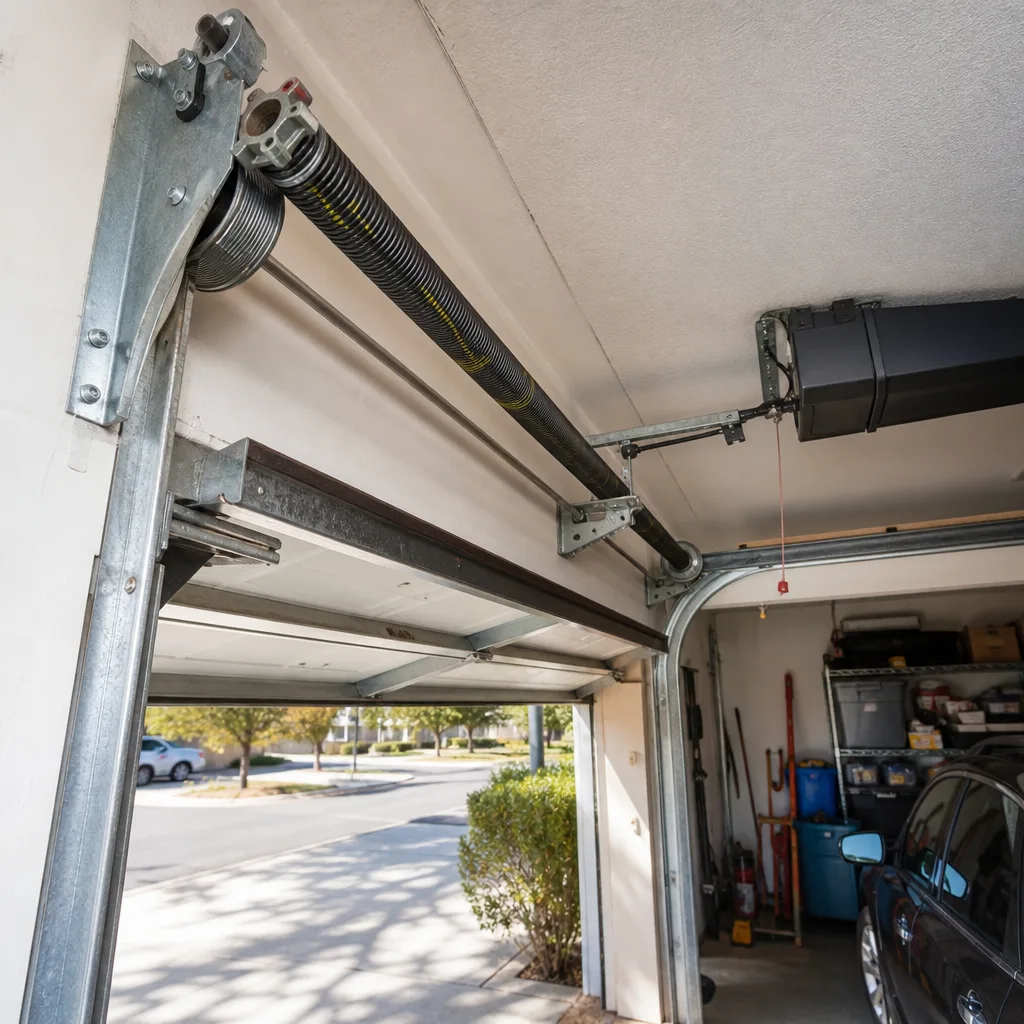 After
AfterRaynor Roller Replacement: The Ontario Owner’s Guide
Raynor roller replacement in Ontario typically runs $110 to $220 installed, parts included. We stock Raynor-compatible rollers in the most common sizes on our trucks, so a single-roller swap can usually happen the same day you call. The way most Ontario homeowners discover a failed roller: the door starts sounding like it’s dragging gravel, or it shudders once mid-travel and never quite tracks straight again.
A garage door roller is a small wheel with a ball-bearing center that rides inside the vertical and horizontal tracks. Raynor doors use specific stem lengths and wheel diameters, and matching those matters more than the brand stamped on the nylon. When one roller seizes, the door drags on that side. When two fail, the opener starts working against itself. Left alone long enough, a seized roller can carve a groove into the track or snap a hinge, and that’s when a $30 part becomes a $300 repair.
Servo Garage Doors Ontario is an independent service provider, not affiliated with Raynor. We carry OEM and quality aftermarket rollers that match Raynor’s specifications, and we document what we find before we quote anything. That’s Clause 4 of The Haven Standard, and it’s been the rule at Servo since Marcus Deller started the shop in 2015. You see the failed roller before a price is written.
Which Raynor Models This Applies To
Raynor’s residential lines share a handful of roller specifications, so this guide applies to nearly every door they’ve made in the last 20 years. The most common Raynor rollers use a 2-inch nylon wheel with either a 4-inch or 7-inch stem, depending on whether the door uses standard or long-stem hinges. Raynor’s newer premium lines, including the Prodigy and Aspen series, lean on nylon construction that’s quieter than the steel rollers on older Commander and Classic models.
The compatibility gotcha we see regularly in Ontario: a Raynor door that was manufactured with 2-inch rollers but has bottom fixtures that can only accept 1-3/4-inch wheels. It’s inconsistent across production years, which is why we always measure the wheel diameter and stem length at the failed roller rather than trusting the model number alone. If you want to check yours before calling, the quickest identifier is a long-stem roller sticking well past the hinge shoulder. That’s the 7-inch version, and it’s the one we keep in heavier numbers on the truck.
OEM Raynor rollers are perfectly fine parts. We’ll also offer a quality aftermarket equivalent when it makes sense, typically from providers who use sealed nylon wheels and zinc-plated stems. The honest difference is pricing and availability, not durability. A well-made aftermarket roller with a sealed bearing will outlast the OEM version in many cases simply because the aftermarket engineers speced a better bearing. We walk through that trade-off in writing before any work starts.
Signs Your Raynor Roller Replacement Is Failing
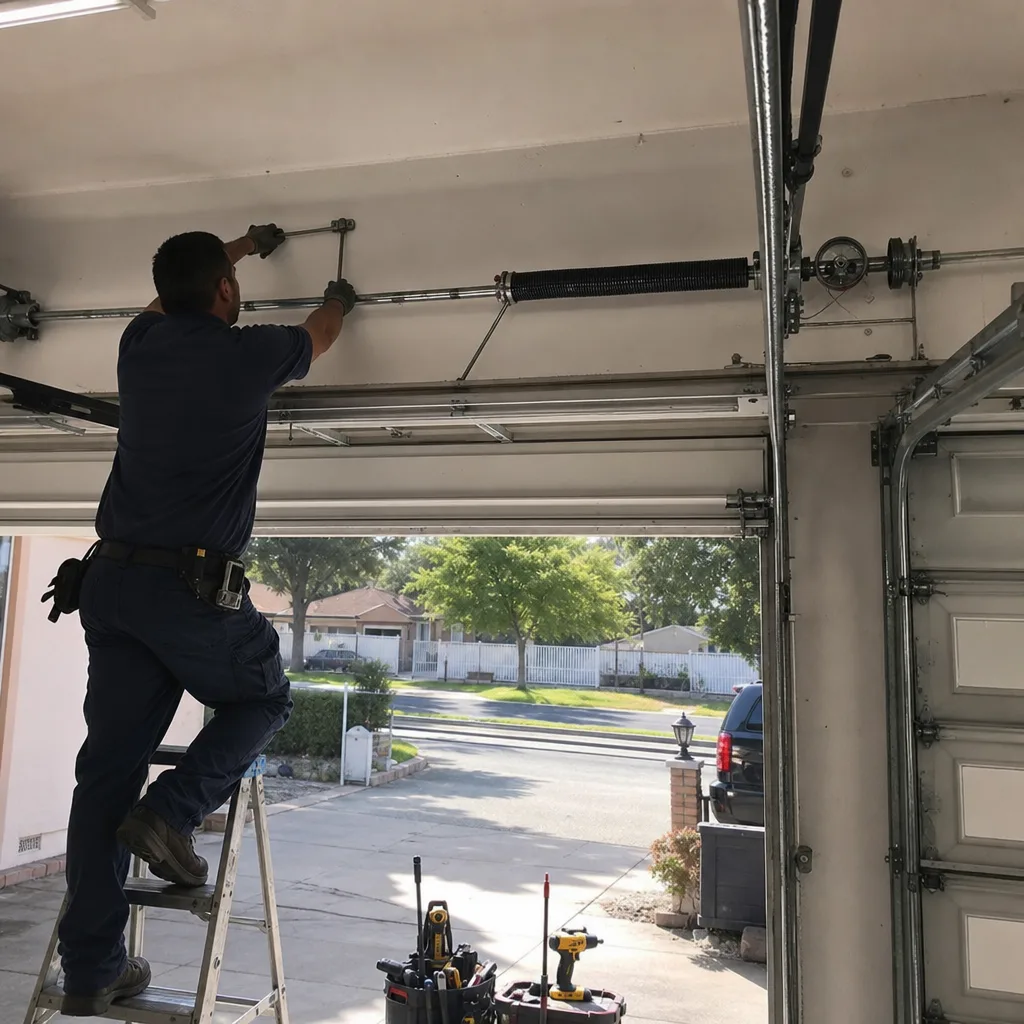
- The door sounds like it’s dragging on one side. A seized or flat-spotted roller doesn’t roll anymore, it slides. The rubber-like nylon wheel wears a flat edge, and the door chatters or scrapes against the track at the same point in its travel every time.
- Shuddering mid-travel. A bearing that’s breaking down binds briefly, then frees up. The door stalls for a fraction of a second and then jumps forward. You’ll feel it more than hear it if you’re standing with a hand on the door.
- Visible wear or cracks in the nylon wheel. We photograph this on every visit. If the wheel shows hairline cracks radiating from the center hub, the nylon is degrading from years of California heat cycling. Once it starts, it doesn’t reverse.
- The door sits crooked in the opening or pulls to one side during operation. A roller that has seized puts uneven load on the hinges and tracks. The door will usually tilt slightly, and the gap at the bottom becomes uneven across the width of the opening.
- Grinding from the track itself. That’s a roller that has already failed and is chewing up the track interior. In Ontario’s drier climate, we see this less from rust and more from dust accumulation mixing with the bearing grease and turning into a paste that locks the wheel.
BeforeAfterReplacement Cost & What’s Included
Raynor roller replacement in Ontario runs $110 to $220 for a typical job, which includes the parts, labor, and a written scope before anything is touched. That range covers a door with seven to ten rollers, with the variance coming from two factors: how many rollers you’re replacing, and whether we’re swapping standard or long-stem versions. Long-stem Raynor rollers cost a few dollars more per unit, and that shows up on the invoice as a line item, not a vague “materials” catch-all.
Here’s the pricing breakdown for Raynor roller work in Ontario:
- Single roller replacement: $110-$140 (diagnosis, one roller, hinge inspection, track spot-check)
- Full roller set replacement (7-10 rollers): $160-$220 (all rollers on the door, hinge inspection, track inspection)
- Nylon upgrade from steel (per set): $170-$220 (quieter operation, longer bearing life)
You’ll know the exact price before we pick up a tool. Clause 1 of The Haven Standard requires a flat, written price and written scope delivered before work starts. The price we write is the price you pay, whether the job takes 40 minutes or two hours. The rollers are covered by a parts warranty, and our labor is backed by the 365-Day Done Right Promise. If something isn’t right within a year, we make it right. It’s documented, not a handshake.
Every visit also includes a photo record of what we found and what we replaced. You’ll leave with evidence of the failed roller, the new part, and the door operating smoothly. Most Ontario homeowners have never seen their own garage door rollers until we hand them the photos.
DIY or Call Us?
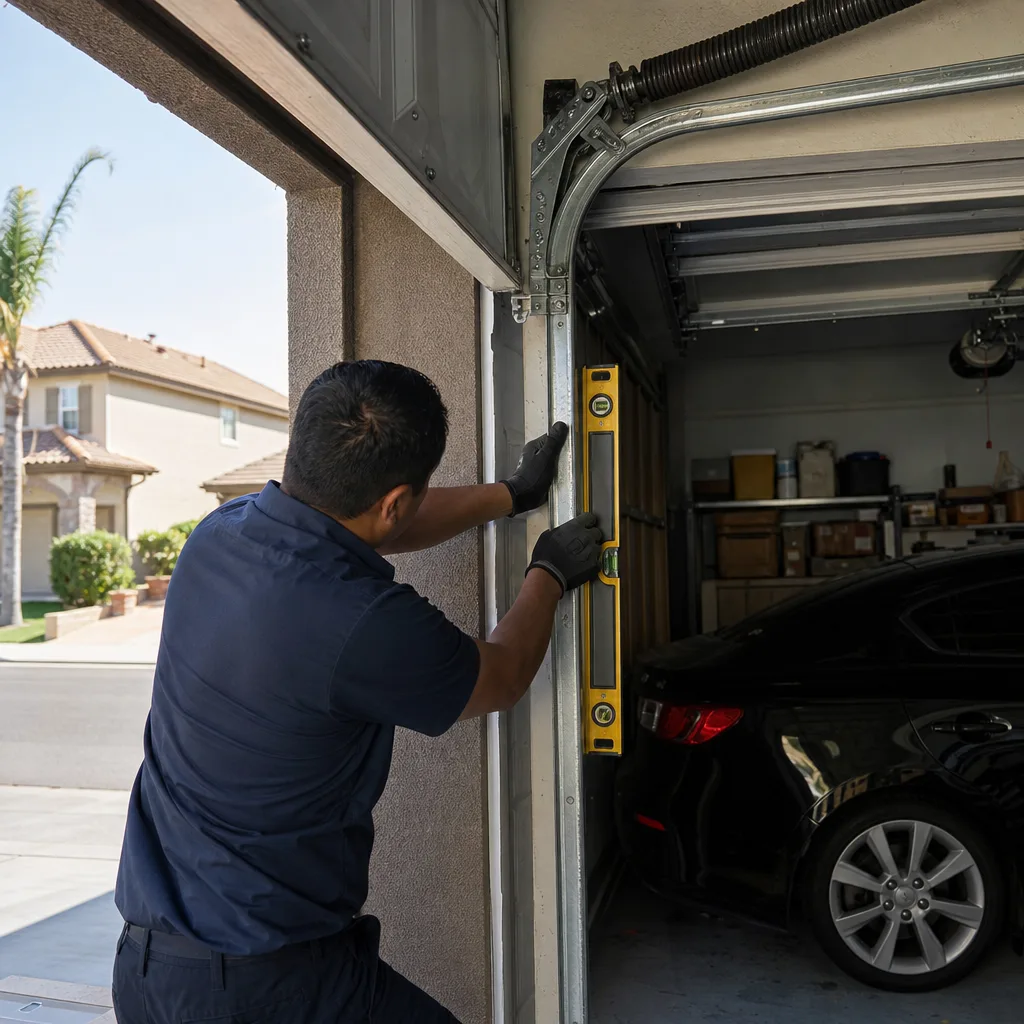
Replacing a garage door roller is not a springs-level hazard, but it’s not a no-tools task either. The dangerous version of this repair is when a roller has failed on a bottom fixture, because that bracket holds cable tension. The safe version is replacing a roller mid-track, where you can usually pop it out of the hinge with a flat pry bar and slip the new one in. The dividing line is whether you’re working near the torsion system. If the roller you need to replace is within arm’s reach of a spring or cable, call us at (951) 470-2012. Torsion springs hold enough force to cause serious injury or death, and no roller swap is worth that risk.
What you can safely do yourself: inspect the rollers for cracking, check whether the wheel spins freely by hand when the door is in the open position, and note which hinges show uneven wear. That gives us a head start when we arrive. What you shouldn’t do: attempt to remove a bottom roller, try to adjust the track, or muscle a door that’s binding. And if your Raynor door has steel rollers that predate the nylon era, swapping to nylon is a quietness upgrade worth considering while we’re already on the job.
We stock Raynor-compatible rollers in both standard and long-stem configurations on our trucks, along with parts for the other brands we service: LiftMaster, Chamberlain, and Genie. If you’re not sure which roller your Raynor needs, we’ll identify it in person. Name the part, quote the range, then do the work.
FAQs
Most Raynor nylon rollers last 7 to 12 years in Ontario’s climate, with the bearings failing before the nylon wheel does. Steel rollers from older Raynor doors typically last 5 to 8 years before the bearings sound rough. If your door gets used more than four or five times a day, the lower end of that range applies. For a more precise read on your specific rollers, call (951) 470-2012 and we’ll inspect them during a free second opinion.
No. A failed garage door roller is a sealed unit, and the bearing inside is not serviceable. Once the bearing binds or the wheel cracks, the roller is spent. The good news is that replacement is the fastest and least expensive door repair we do, and the new roller will typically outlast the original.
A full roller set on a Raynor door takes 45 to 90 minutes in most cases. A single roller swap is usually a 30-minute visit. The time varies based on whether the rollers are the long-stem version and how many years of dust have accumulated in the hinges. We’ll give you a written time and price before we start.
Yes. We carry both standard 2-inch and long-stem 7-inch rollers in nylon and steel on our trucks, plus larger stock at our Ontario shop. That’s why roller replacement can usually happen same-day. If your Raynor has an unusual specification, we’ll order it and have it installed within two business days.
Call Servo Garage Doors Ontario for Raynor Roller Replacement
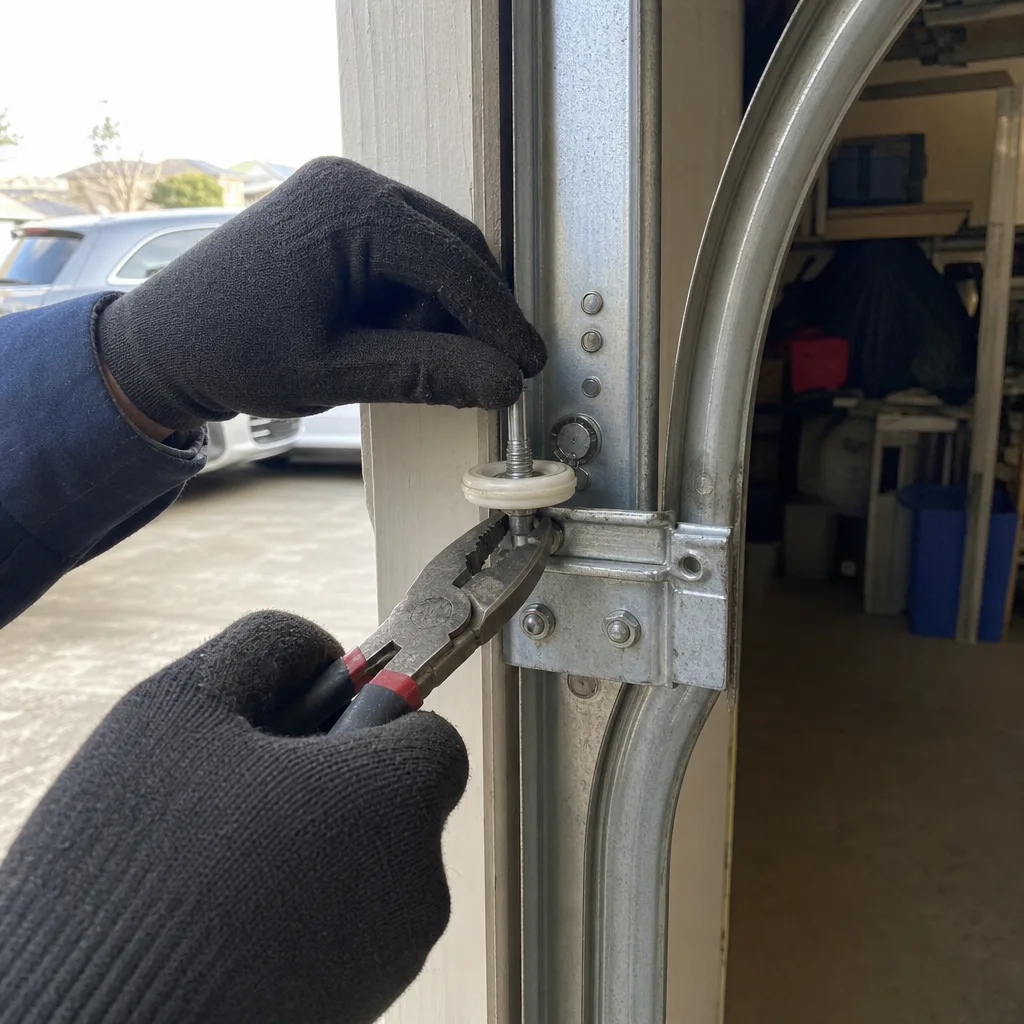
If your Raynor door is dragging, grinding, or just sounds like it’s aging faster than it should, call (951) 470-2012. We’ll schedule a time that works for you, send a background-checked technician with the rollers on board, and write the price before the first tool comes out. You’ll get the photo record of the failed part and the finished work, and a one-year promise that covers it. That’s how we’ve handled 18,000+ garage doors in Ontario since 2015. Estimates are free, and if you have a written quote from another company, bring it. We’ll look at it with you.
Written by Marcus Deller, Owner, Servo Garage Doors Ontario at Servo Garage Doors Ontario, serving Ontario and nearby areas.