
Last updated September 20, 2026
Full 25-point door and opener safety check with every visit - springs, cables, rollers, tracks, and your LiftMaster or Chamberlain opener included
You get a price before we start. It does not change when the truck arrives.
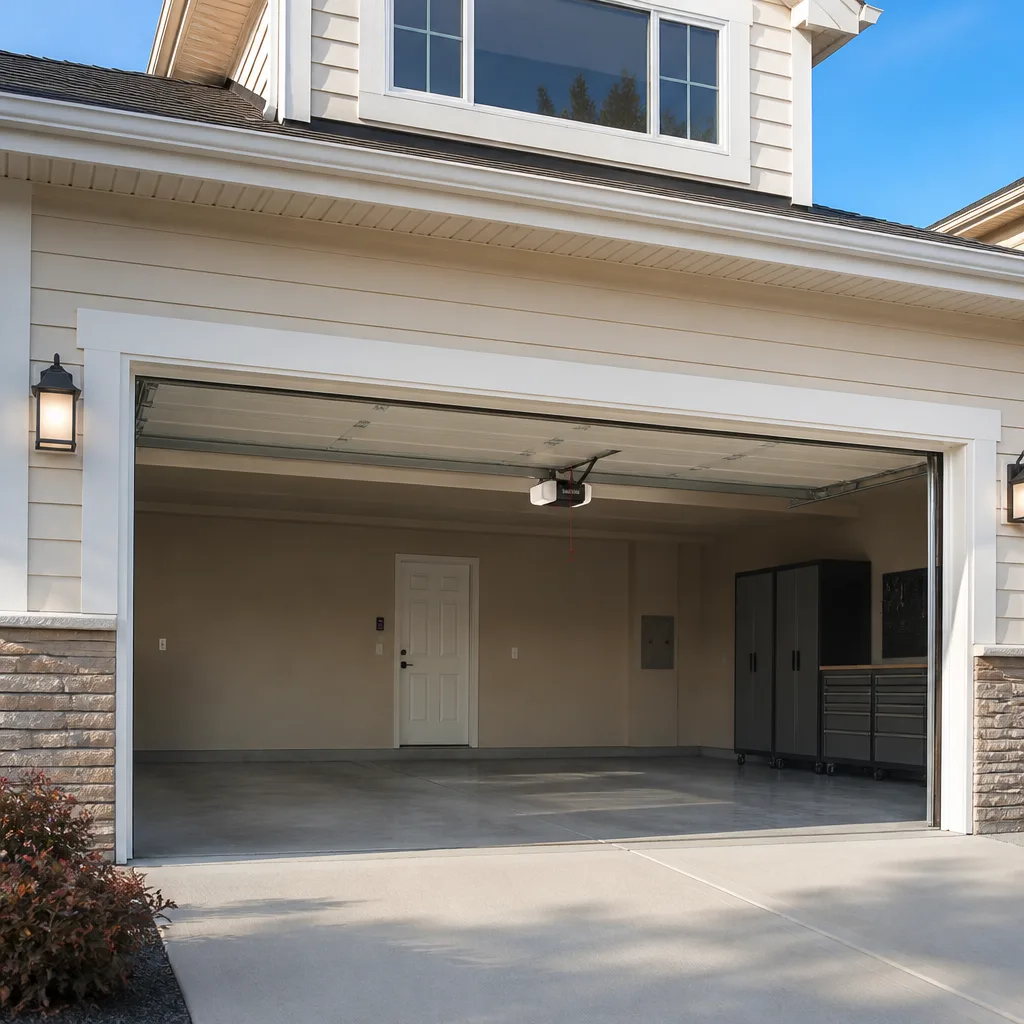
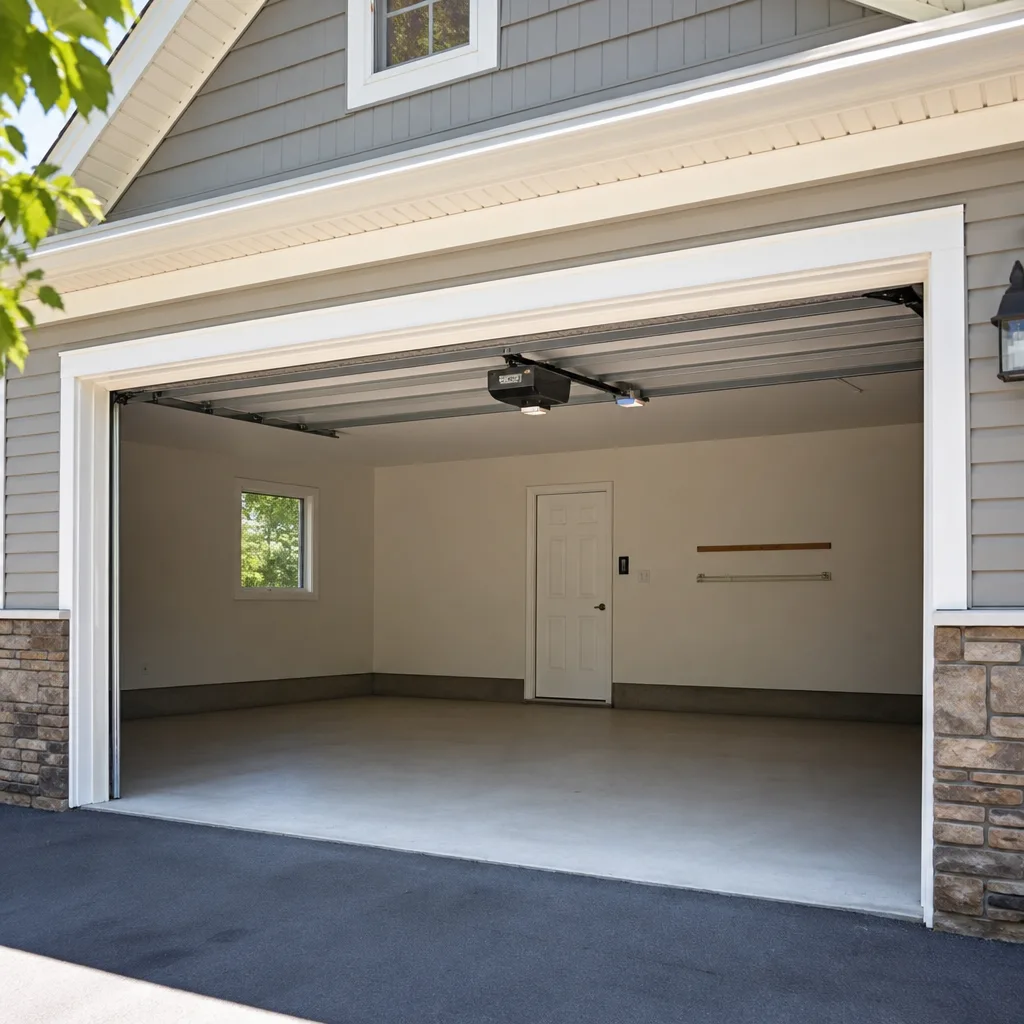
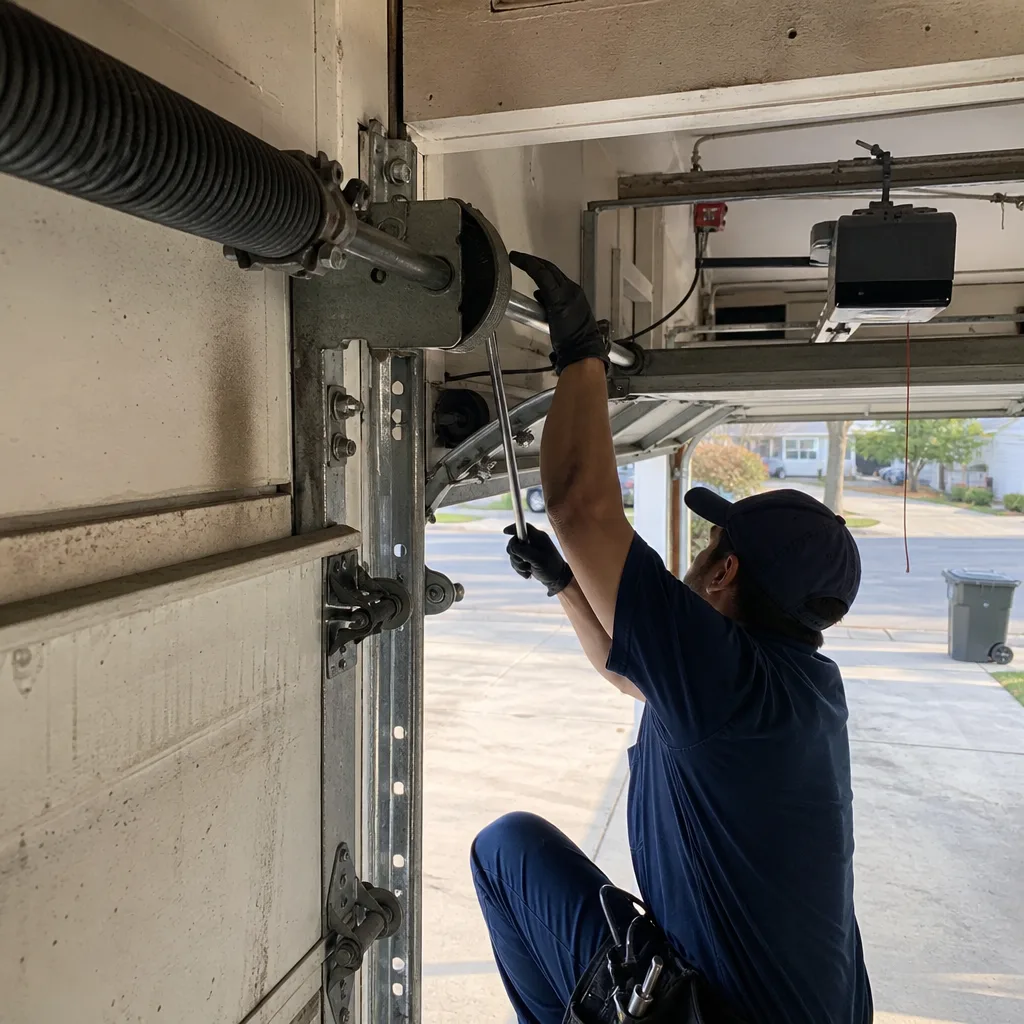 Before
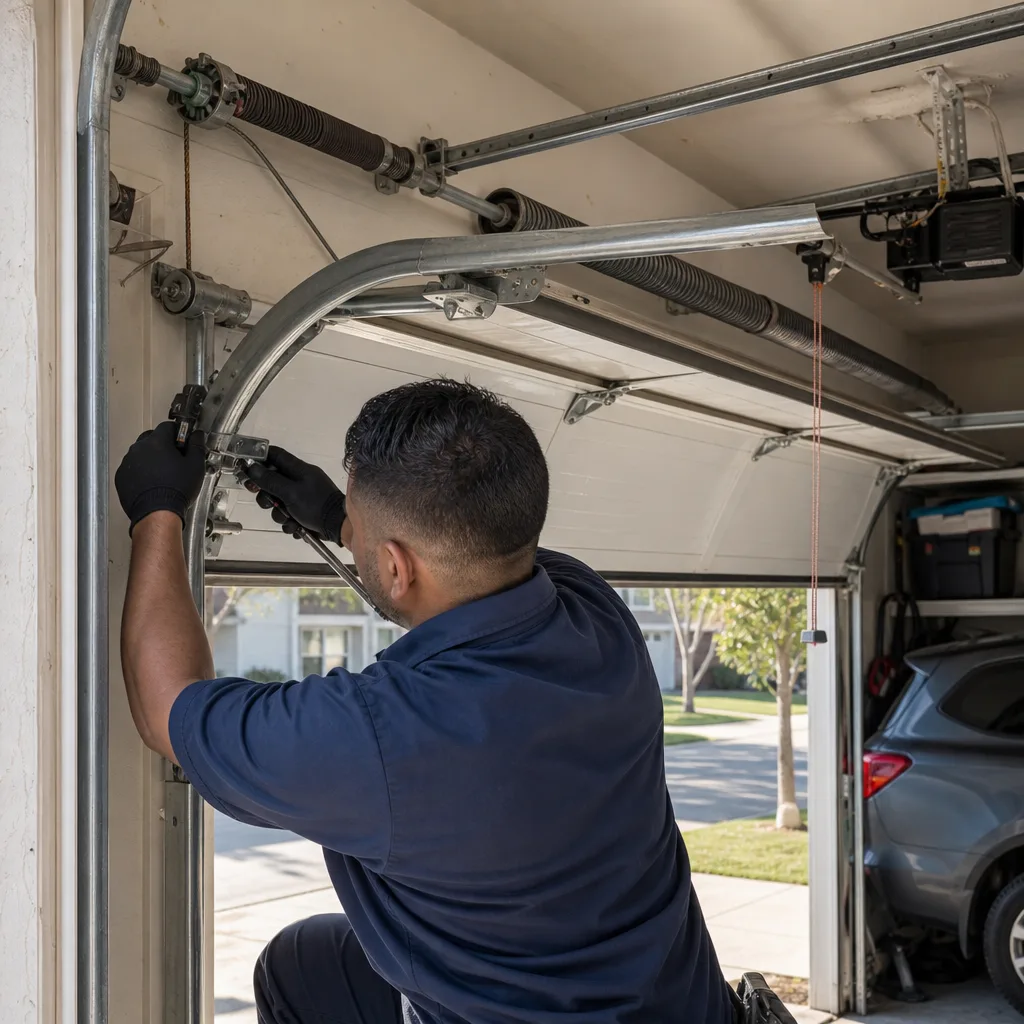 After
After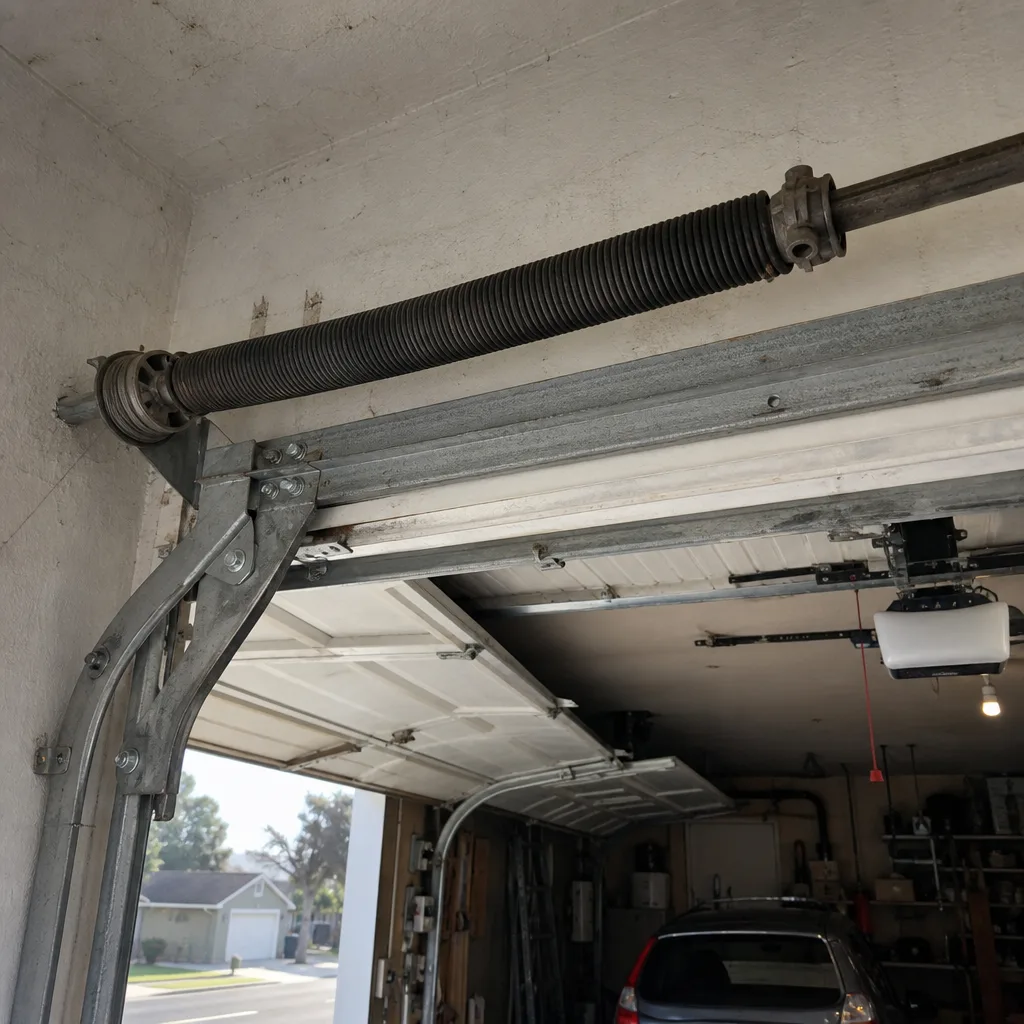 Before
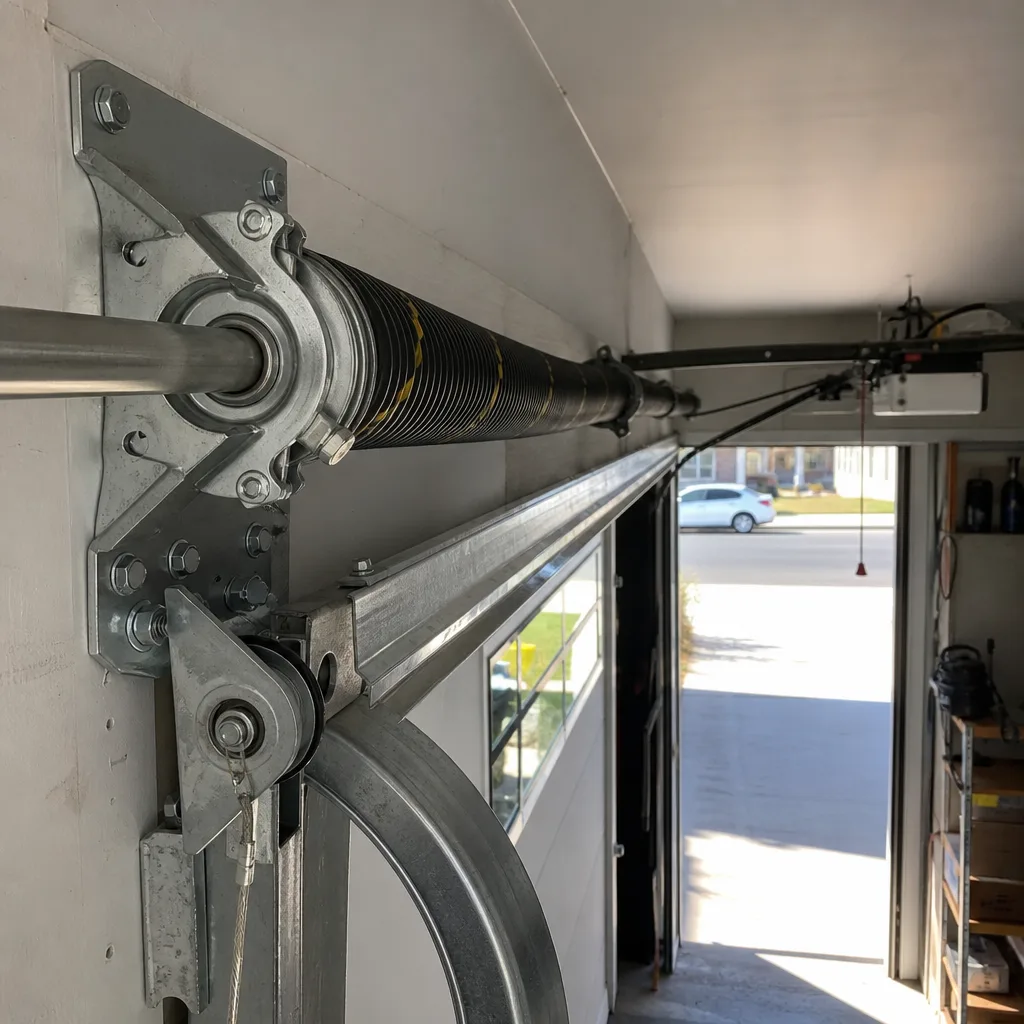 After
After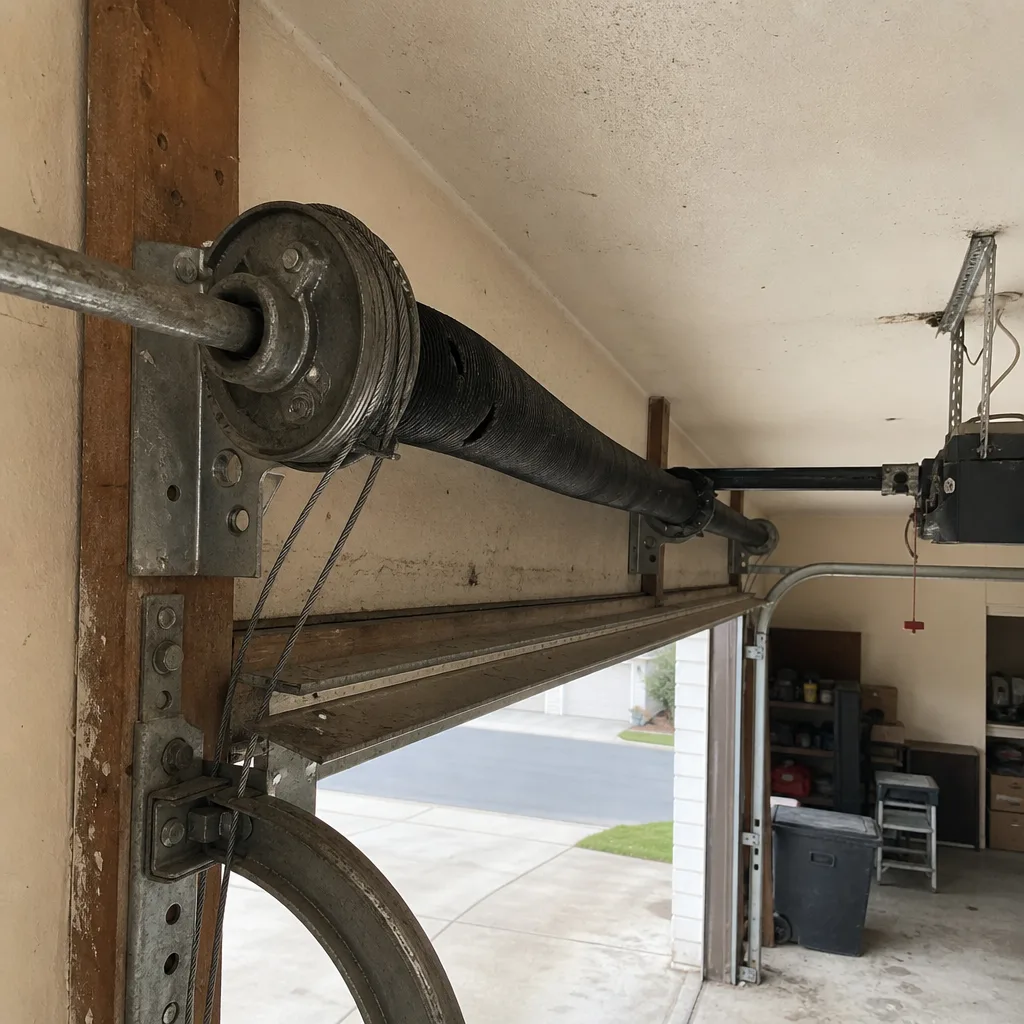 Before
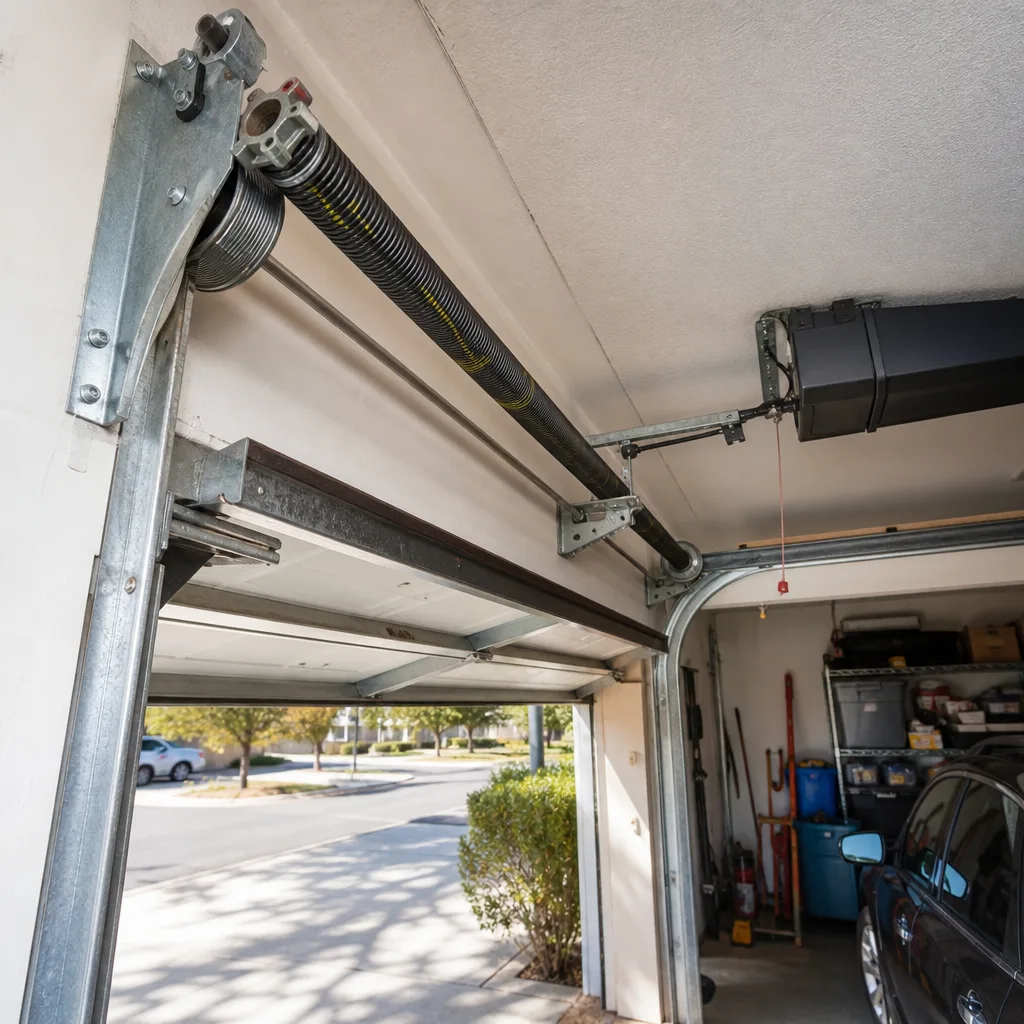 After
AfterHow to Hire a Garage Door Contractor in Ontario: A Step-by-Step Guide
Most homeowners in Ontario assume a “licensed and insured” garage door contractor has passed some meaningful test of competence. That assumption costs people real money. California issues no standalone garage door contractor license. A company can legally advertise, show up, and replace your torsion springs with nothing more than a business registration and a general contractor classification that covers a dozen unrelated trades. This guide walks you through the exact documents to request, the questions that expose corner-cutters, and the red flags that separate a legitimate operator from a truck with a logo. For The Complete Guide to Garage Door in Ontario, see our expanded resource. Written from the perspective of a shop that has done more than 18,000 garage doors since 2015, all in Ontario and the surrounding cities.
Quick Answer
To hire a garage door contractor in Ontario, verify their California C-61/D28 specialty classification on the CSLB website, request a written itemized quote with part numbers and labor lines before any work starts, confirm both general liability and workers’ compensation insurance, and refuse any contractor who pressures you to approve work the same day. The contractor who can show you documentation beats the contractor who asks you to trust them, every time.
Table of Contents
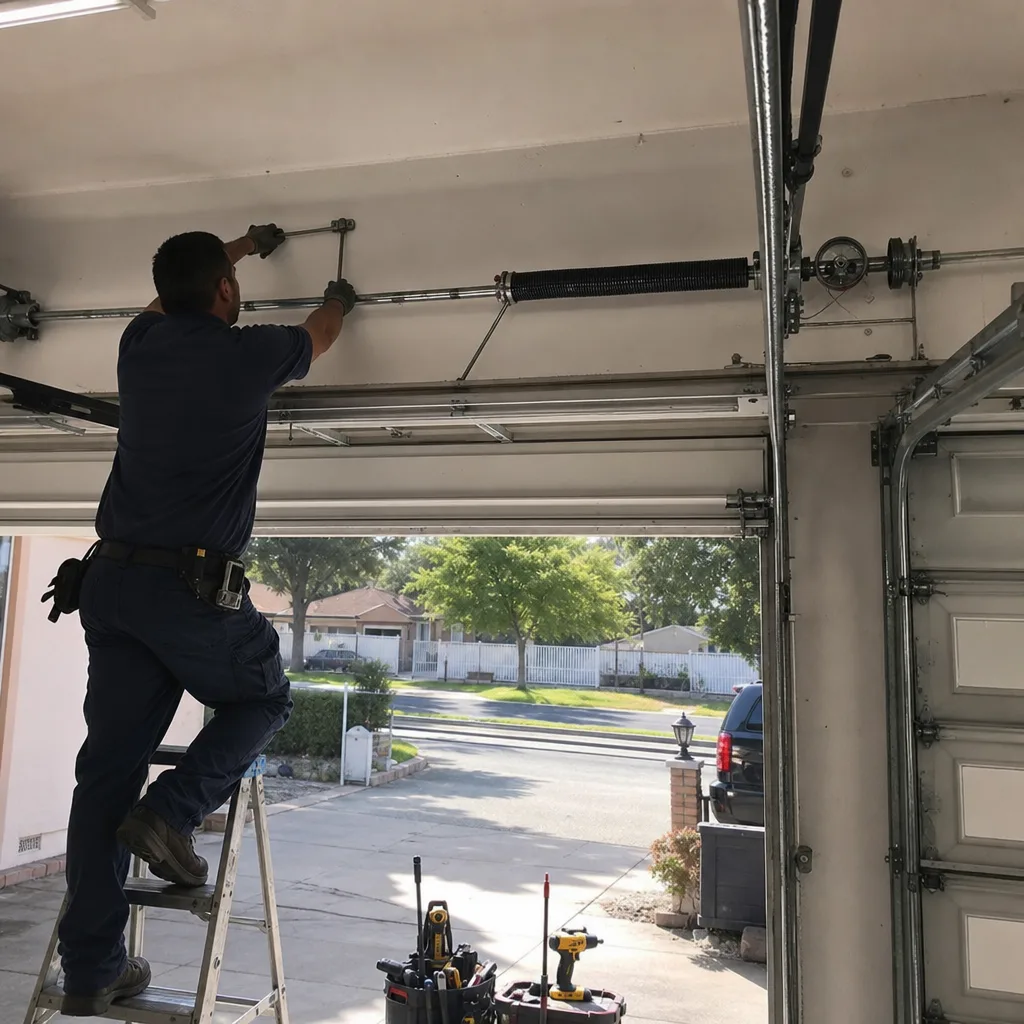
- Step 1: Check the License Before the Phone Call
- Step 2: Understand What a C-61/D28 Covers (and What It Doesn’t)
- Step 3: Request a Written Quote With Part Numbers
- Step 4: Verify Insurance With Certificates, Not Promises
- Step 5: Structure the Scope of Work in Writing
- Step 6: Interview the Contractor Like an Inspector
- Step 7: Review the Warranty Before You Sign
BeforeAfterStep 1: Check the License Before the Phone Call
The California Contractors State License Board (CSLB) maintains a public database that takes two minutes to search. Go to the CSLB website, type in the business name or contractor’s individual name, and look for three things. First, the classification. You want to see C-61/D28, which is the specialty classification for “Door and Hardware” work. Second, the status. “Active” is the only word that matters. “Active – Renewal Pending” still holds liability, but ask for the renewal confirmation. Third, the date of first issuance. A contractor who has held the classification since 2015 tells you they survived the apprenticeship of actually running a service business; a contractor who got the classification in January of this year might be legitimate, but you have no operational history to evaluate.
This matters because a garage door spring operates under tension that can exceed 200 pounds of stored force. When a spring fails, it releases that force in a fraction of a second. The C-61/D28 classification exists precisely because this work carries a risk profile distinct from, say, painting a bedroom. If your contractor cannot produce a license number that you can independently verify in two minutes, the conversation should end before it starts. We keep our license number visible because there is no reason to bury it. Hiding a credential is how you know it isn’t one.
Step 2: Understand What a C-61/D28 Covers (and What It Doesn’t)
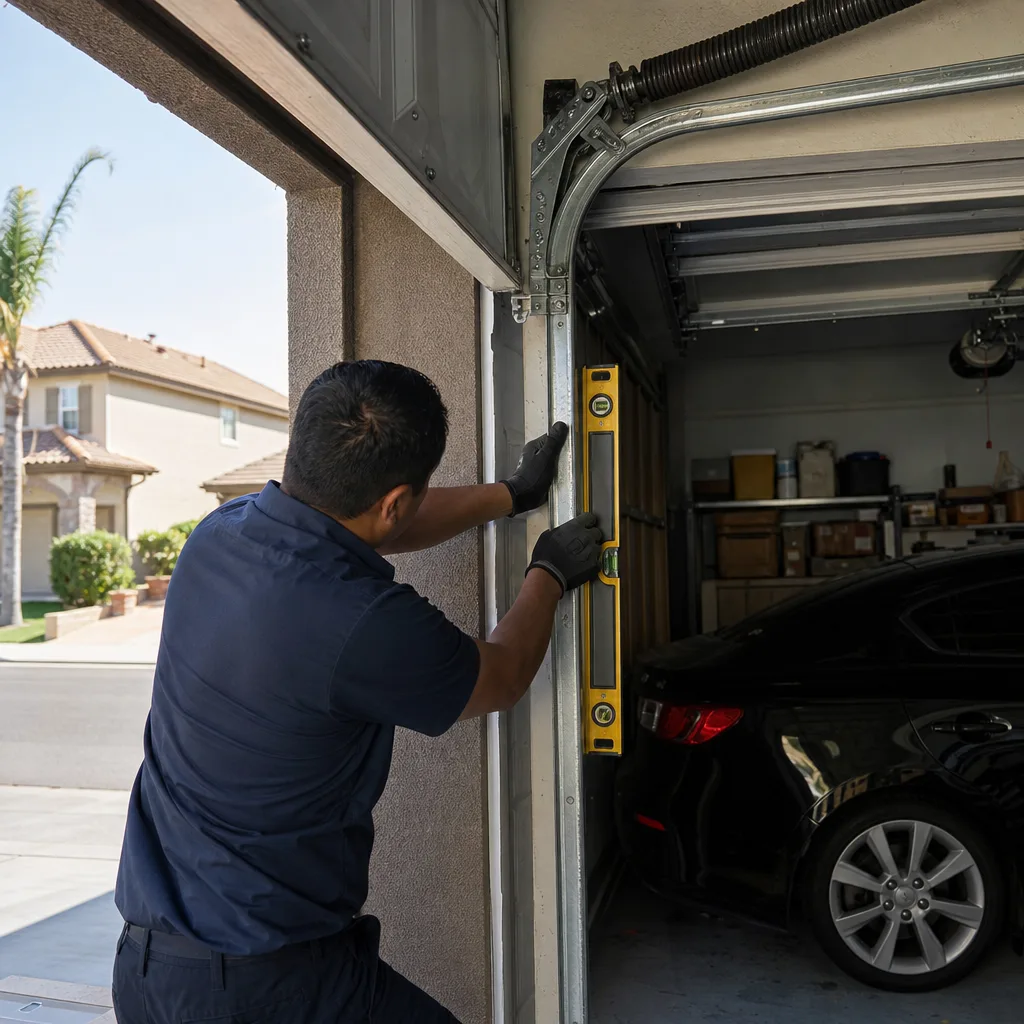
Here is the detail most DIY vs Professional Garage Door guides skip. C-61/D28 is a specialty classification. It means the holder is authorized to install, modify, and repair “door and hardware” including garage doors, sectional doors, rolling doors, and their operating hardware: openers, tracks, springs, hinges, cables, and bottom seals. It is not a general building, electrical, or framing license. That has a practical consequence. When a garage door opener replacement requires a new dedicated circuit, or when a new header requires structural reinforcement, a legitimate door contractor will tell you that a licensed electrician or general contractor needs to do that portion. If your door contractor claims their C-61/D28 lets them pull a permit for structural or electrical work, they have just told you they do not understand their own license.
In Ontario specifically, many homes built before 2000 have door openings framed with larger-dimension lumber than code requires, which gives you wiggle room on retrofit height; for Seasonal Garage Door Care for Ontario: Year-Round Homeowner’s Guide, see our seasonal maintenance tips. Homes built after 2015, in the new subdivisions north of the 60 and around Archibald Ranch, often have tighter header clearances and hidden low-voltage lines routed along the ceiling joists. That means opener installation frequently requires routing and securing low-voltage wiring without disturbing drywall. A competent contractor knows how to do that; it is still low-voltage work, within scope. The moment the job touches line voltage or structural modification, you need a second license on site. Knowing where that line sits is your protection against a contractor who cannot say no.
Step 3: Request a Written Quote With Part Numbers
This is the test that separates the professionals from the convincing talkers, and it costs nothing to administer. Call and say, “After you look at it, I want a written quote with part numbers and labor broken out.” The response tells you everything. A legitimate shop will say some version of “that’s how we work.” A shop that operates on verbal estimates and surprises will hesitate, qualify, or redirect. In our experience, the hesitation lasts about two seconds, but it is audible.
Here is what a legitimate itemized quote includes:
- Specific part number or manufacturer specification. “Torsion spring replacement” is not a quote. “Two 0.250-inch wire diameter torsion springs, 36-inch length, oil-tempered” is a quote. You will not know what that means on first read. That is the point. It is specific enough to verify against the existing hardware.
- A separate labor line. Not blended into a single number that hides how much of the job is parts. A three-hour job at a stated hourly rate plus parts, or a flat labor price for defined work. Either is fine. A single total with no breakdown is not.
- Warranty term per component. Torsion springs carry one warranty term. Openers carry another. Labor carry another still. If the quote does not state these separately, the warranty promise is whatever the technician said out loud, which is worth nothing.
- Sales tax, material fees, and trip charge (if any) called out explicitly. Surprises that appear on the invoice but not the quote are the whole reason you asked for the paper.
Under Servo Garage Doors Ontario home, our practice is codified: Clause 1 of The Haven Standard states that the flat written price and written scope are delivered before any work begins. That is not a marketing line. It is the rule the technician works under. If the price changes once a job is opened up, the change is documented, agreed to in writing, and the customer sees the reason photographed before approving. That is how Garage Door Repair in Ontario should work everywhere, but it doesn’t. Asking for it in advance is your filter.
Step 4: Verify Insurance With Certificates, Not Promises
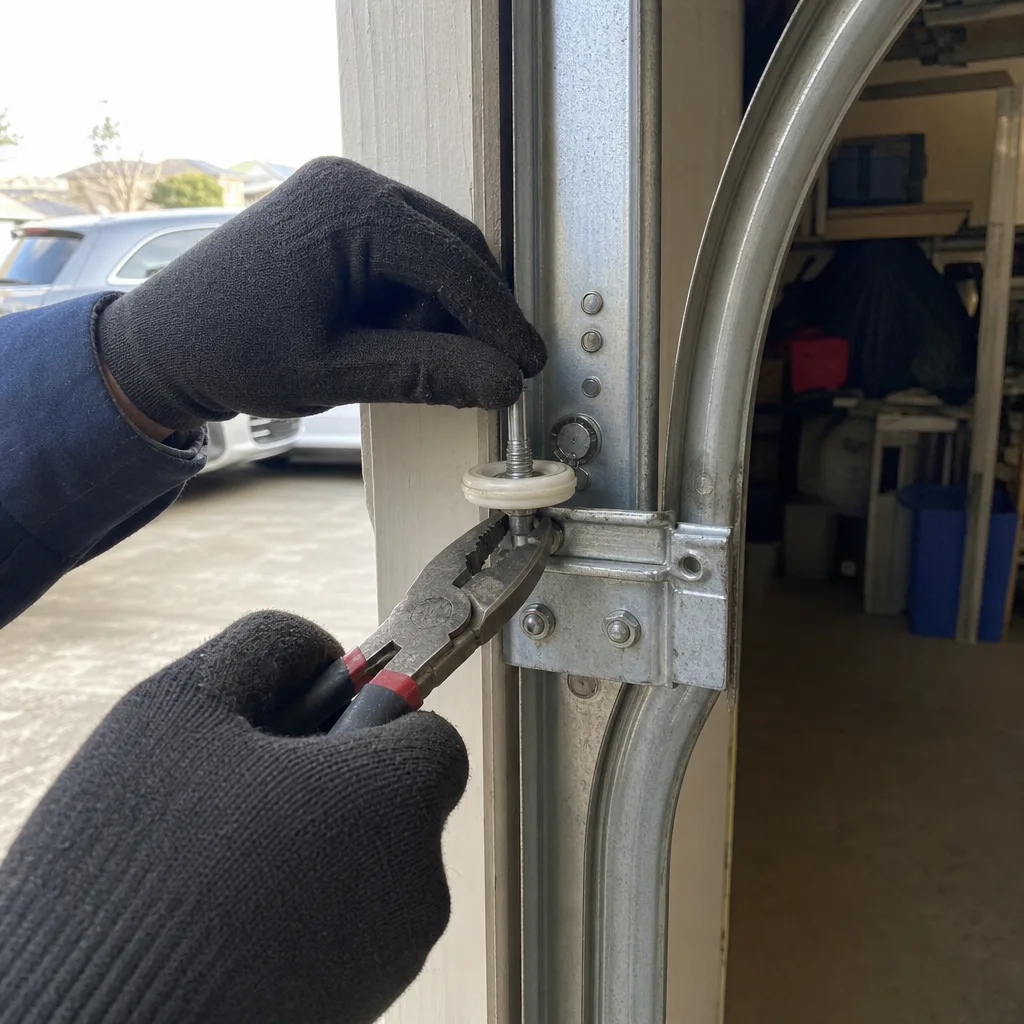
“Fully insured” is the cheapest phrase in home services. It costs nothing to say and means nothing unless you see the certificates. Here is what you actually need to ask for.
General liability insurance covers damage to your property caused by the contractor’s work. A dropped panel that gouges your hood, a track screw that nicks a water line, a ladder that goes through a window. The certificate should show a coverage amount that realistically covers the value of a worst-case scenario in your home. It should name the contractor’s actual operating entity, not a parent company or a franchise office.
Workers’ compensation insurance covers the very different scenario of a technician injured on your property. California law requires it for any contractor with employees, but here is the uncomfortable part many guides gloss over: an uninsured technician injured while working on your door may, depending on circumstances, seek recovery against your homeowner’s policy. Torsion spring work involves components under hundreds of pounds of tension, and the injury profile in this trade is not minor. We have seen enough in this industry to know that the contractor who cannot produce a workers’ comp certificate is transferring a risk to you that they had no right to transfer. Ask. If they balk, walk.
In Ontario, request both certificates by name, and verify the policy dates are current. A certificate issued three years ago with a policy that expired two months ago means the contractor is running uninsured and either doesn’t know or doesn’t mind. Neither option works for you. A legitimate contractor will forward these as PDF files while they are still on the phone with you. It takes longer to explain why they can’t than it does to just send them.
Step 5: Structure the Scope of Work in Writing
The most common complaint about garage door work is not poor quality. It is the upsell that appears after the job is opened up. Worn rollers, a warped bottom section, a logic board that “really should be replaced now to avoid a callback.” Some of these recommendations are legitimate. Others turn a $280 spring replacement into a $900 job by manufacturing urgency that was never agreed to.
The prevention is a scope-of-work clause, and you do not need a lawyer to write one. It looks like this:
- Define the approved work specifically. “Replace two torsion springs with 0.250-inch wire diameter springs. Replace both cables. Lubricate all rollers and hinges. Test balance and limit settings.” That is the whole job. Nothing else is authorized.
- State the flat approved price for that scope. “Total authorized amount: $XXX.” Above this amount, nothing gets done without additional written approval.
- Require photo documentation for any additional recommendation. “Any additional work recommended during this job requires a photo of the component in question and a written addendum with price, agreed to by homeowner signature before work proceeds.” This is the clause that kills the imaginary-emergency upsell. A technician can still recommend work. They just have to prove it with an image, not a tone of voice.
- Remove verbal change-order authority entirely. The technician cannot say “I’ll just ask you when I’m there.” The rule is written. If it’s not written and signed before the change occurs, it doesn’t occur.
We do this on every job under Clause 4 of The Haven Standard, and the practice traces directly to our founding rule: the customer sees the failed component before anyone quotes a replacement. You do not need a different standard. You just need to ask for the same thing in writing before the technician touches the first bolt.
Step 6: Interview the Contractor Like an Inspector
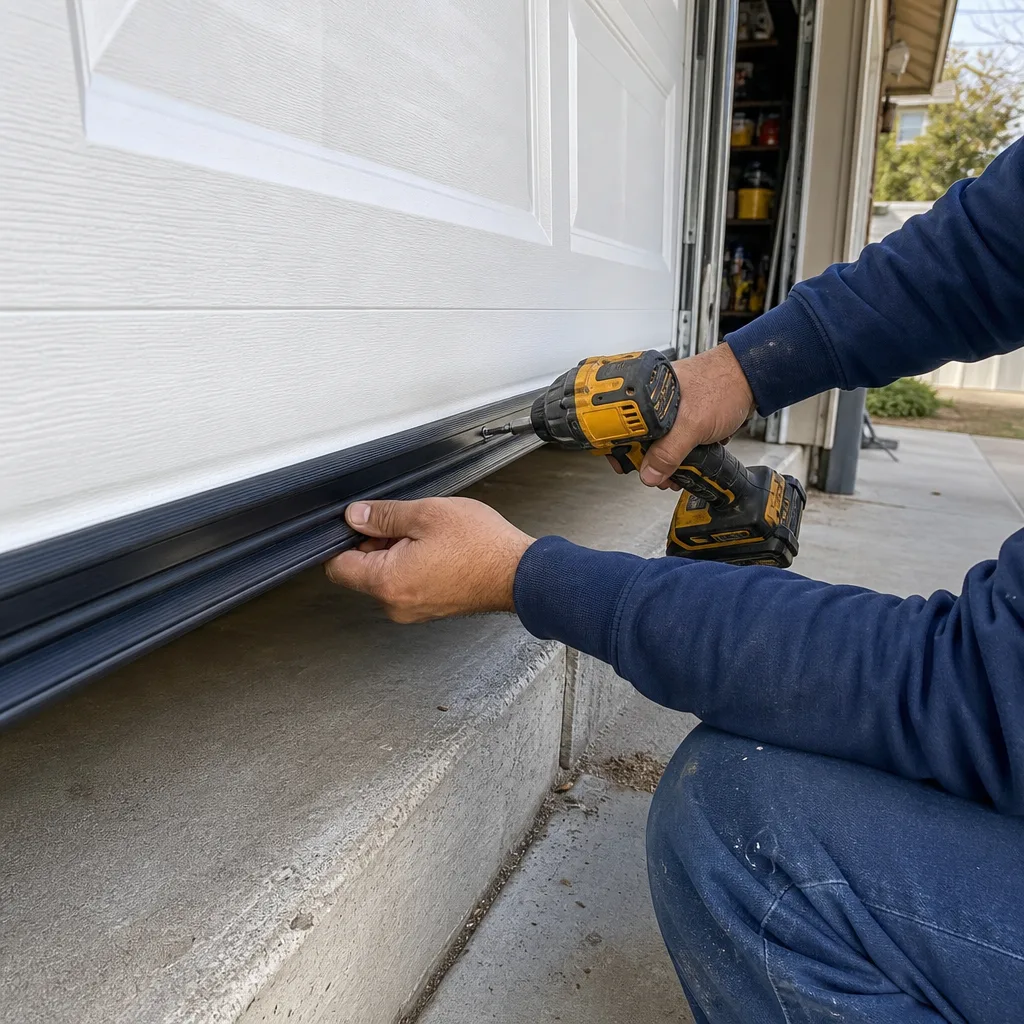
Most hiring guides tell you to compare prices. Price is the fifth or sixth most important variable on a garage door job. Documentation discipline, specificity of diagnosis, and willingness to explain all rank higher. Here are the questions we would ask if we were hiring a garage door contractor in Ontario today.
“Can you quote this over the phone before sending anyone out?” For common repairs like spring replacement, the answer is no, not accurately. Wire diameter, spring length, and wind direction cannot be read over the phone, and anyone quoting a torsion spring replacement sight-unseen is guessing. For an opener replacement with a known model number, a range is reasonable. A contractor who quotes a firm price for all repairs without seeing the door is pricing for the average customer, which means they have hidden margin or they plan to adjust the price on-site. You already know you don’t want that.
“What brands do you carry on the truck?” A repair shop in Ontario that services the Inland Empire’s mix of home ages should carry parts for the common brands: Genie and Chamberlain openers on trucks daily, Clopay and Amarr door sections available for order, Wayne Dalton torque-master parts for the homes that came with them. If a contractor only installs one brand, that is an installer, not a repair shop, and their diagnosis will bend toward whatever they sell. We service all eight major brands, including Genie, Clopay, Amarr, and Wayne Dalton, because replacement decisions should follow the customer’s existing hardware, not a sales margin.
“What does your technician leave when the job is done?” This question uncovers more than it looks like. The right answer describes documentation: a written service record, photos of the failed component and the replacement, warranty registration, a copy of the invoice with parts listed. The wrong answer is a joke, a shrug, or a verbal “you’re good.” A contractor who has no documentation system has no accountability system. That is synonymous with no warranty.
“What is your after-hours response time?” In Ontario, a garage door stuck open at 2 a.m. on Rancho Cucamonga Avenue is a security event, not an inconvenience. A shop that routes emergency calls to voicemail until morning has admitted their emergency service is marketing, not operations. Our phones are answered by a person 24/7, and emergency calls get a named technician and an on-the-way text, not a callback window. Ask the question and listen to how specific the answer is. “We’ll get someone out as soon as possible” is a non-answer dressed in helpful clothing.
Step 7: Review the Warranty Before You Sign
A garage door warranty is not one thing. It is a collection of separate terms that apply to separate components, and the contractor who quotes “a one-year warranty” without disambiguating has not actually explained anything. Here is what a real warranty disclosure covers.
Parts warranty. Torsion springs are the big-ticket item. A quality spring installed correctly commonly carries a parts warranty of two to five years against breakage, though breakage is also driven by use cycles, not just calendar time. An opener’s logic board frequently carries a warranty separate from the motor. The garage door panel manufacturer (Clopay, Amarr, and Wayne Dalton all have distinct terms) warrants panels against rust-through or delamination on separate schedules. These come from the manufacturer, not the contractor, which means the contractor’s value is in registering the products correctly at the time of install so a year from now the serial numbers are traceable.
Labor warranty. This is the contractor’s own commitment and varies the most between shops. A 30-day labor warranty is the floor. A one-year labor warranty is the serious-player signal. The way to test whether a labor warranty has any meaning is to ask what happens when a repair fails inside the warranty period. The honest answer is “we come back, no charge, and we prioritize it.” The answer that should worry you is any version of “we’ll check it out” with no commitment to cost. If the labor warranty does not eliminate your financial exposure on a repeated failure, it is a marketing sentence, not a warranty.
Our approach. We back repairs with the 365-Day Done Right Promise: if a repair is not right, we make it right. That includes the labor and the parts we installed. It is backed by The Haven Standard and a terms page you can actually read, because a warranty you can’t look at later isn’t a warranty.
Ask for warranty terms in the written quote, per component, before signing. If the contractor cannot produce this on paper in the same document as the price, treat that as a red flag of the same severity as a missing license. A price without warranty terms is an estimate without a contract.
Common Mistakes to Avoid
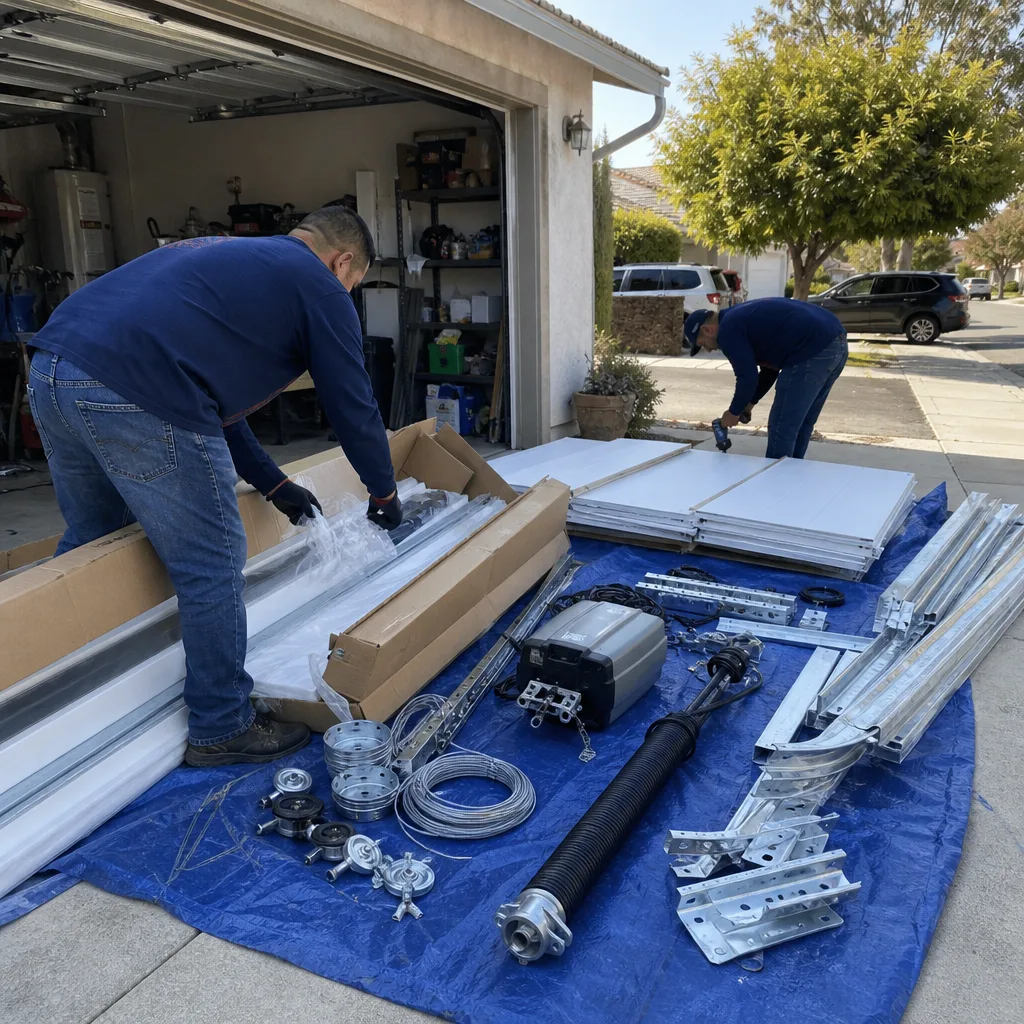
- Accepting “licensed and insured” as a credential. That phrase on a website is a claim, not evidence. Verify the C-61/D28 number on the CSLB database and request insurance certificates with current dates. Two minutes of verification beats a thousand dollars of regret.
- Approving a verbal estimate. A verbal estimate is an opinion. A written quote with part numbers and labor lines is a document. You need the document. If the contractor won’t put it on paper before starting, you don’t have a price, you have a roulette wheel.
- Letting urgency dictate the decision. “I can do it today but the price goes up if I have to come back” is a manipulation tactic. Same-day availability should not be leverage. A quality shop that is busy will tell you when they can come and then honor that schedule.
- Skipping the photo record. When the technician recommends replacing a component you didn’t call about, you need to see the evidence. If there’s no photo, there’s no recommendation. This single rule filters out the majority of unnecessary upsells in the garage door industry.
- Comparing only bottom-line prices. A quote that is $80 lower but omits the warranty term, the part numbers, or the insurance certificates is not a cheaper job. It’s an incomplete job with a price attached.
- Hiring a contractor without workers’ comp coverage. You are not protecting them; you are protecting yourself. If a technician is injured on your property and there’s no workers’ comp, the risk can land on your homeowner’s insurance. Check the certificate on every job worth more than a basic service tune-up.
- Going with a shop that doesn’t service your specific brand. Ontario has homes with everything from original builder-grade Georgians from the 1980s to modern Amarr and Clopay installs. If the contractor only works with one manufacturer, they will find reasons to replace rather than repair.
When to Call a Professional
Some garage door problems are obvious: the door won’t open, the spring broke, the opener makes a grinding noise and the door moves six inches. Those are calls you make now. But there are quieter signals that mean trouble is coming, and catching them early costs a fraction of the eventual repair. If the door feels heavier than it used to when you operate it manually, if the opener strains or reverses midway through a cycle, if you see a gap developing between two panel sections, or if you hear a sharp pop followed by the door slamming down on one side, stop using the door and call. These are symptoms of aging springs, failing cables, or a compromised panel, and none of them improve with waiting. In Ontario, we see cable failures more often during the hot dry stretch from May through October, when metal fatigue accelerates. If any of these signs sound familiar, Garage Door Opener Repair & Installation or full door work might be the answer. Servo Garage Doors Ontario offers free estimates in Ontario - call (951) 470-2012.
Frequently Asked Questions
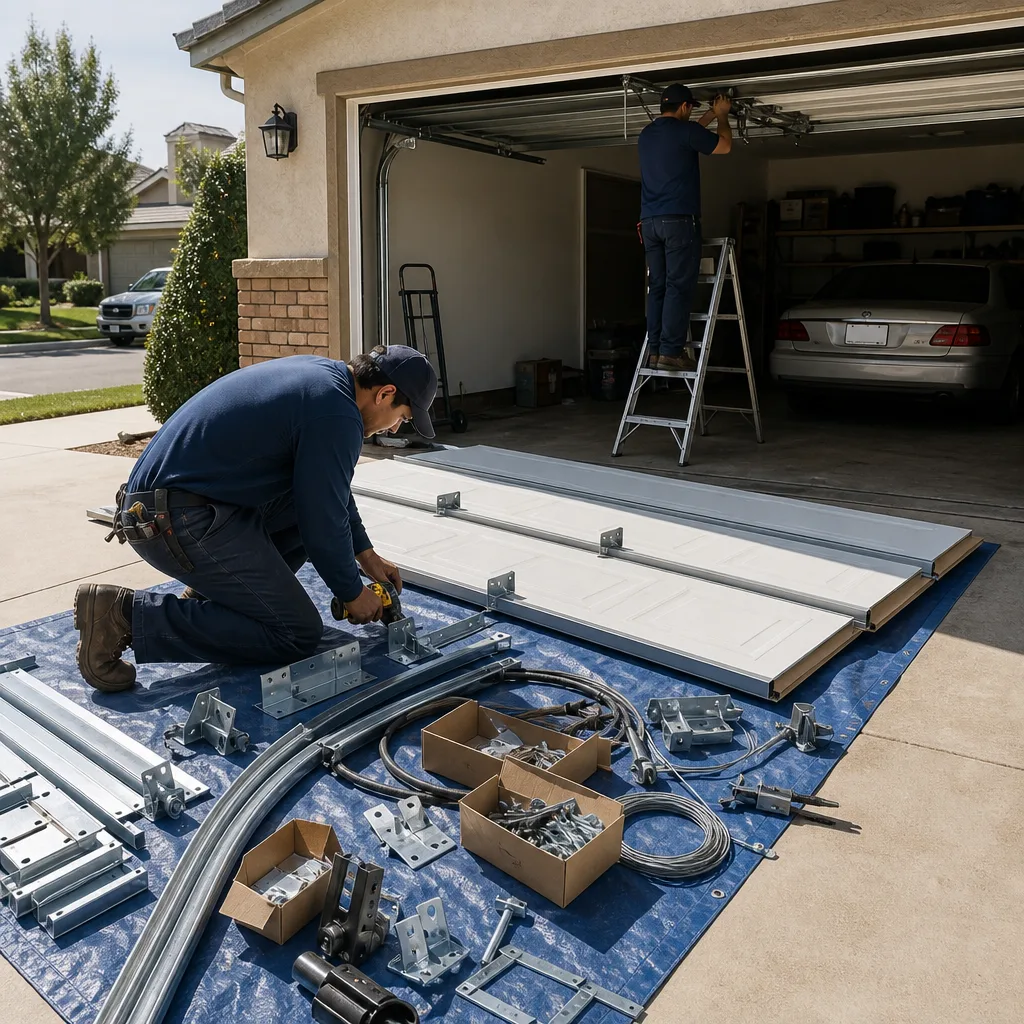
Torsion spring replacement in Ontario typically runs $250 to $420 including parts and labor, depending on spring size and wire diameter. A new garage door opener installation with labor lands in the $450 to $800 range for a premium chain or belt-drive unit. New full garage door installations range from $1,200 to $3,000 depending on material, insulation, and sizing. Any quote above or below those bands deserves a second opinion, and we offer a free one on any written estimate from another company. Call (951) 470-2012 for a flat quote before any work starts.
Go to the CSLB website, select “Check a License,” and enter the license number or business name. Confirm the classification reads C-61/D28 (Door and Hardware), the status reads Active, and the license has been in good standing. This takes about two minutes and should be done before the contractor arrives, not after you’ve signed anything.
General liability covers damage to your property caused by the contractor’s work, like a dropped panel denting your car. Workers’ compensation covers injury to the technician while on your property. Both matter. A technician working without workers’ comp coverage who gets hurt on a torsion spring job may leave you exposed to a claim against your homeowner’s insurance.
No good contractor can give you a firm written quote before seeing the door, because spring sizes, track conditions, and opener compatibility all affect the price. What you should demand is a written quote after the technician inspects the door and before any work begins. That is the sequence we follow under Garage Door Installation in Ontario and repair work alike, and it’s a requirement under Clause 1 of The Haven Standard.
A standard torsion spring replacement takes 45 to 90 minutes on site. A garage door opener replacement takes two to three hours including removal of the old unit, installation of the new one, and programming. Full door replacement typically takes half a day. If a contractor is quoting dramatically less time, they’re cutting steps; dramatically more, you’re paying for inefficiency. For an exact time estimate on your job, call (951) 470-2012 with the details and we’ll give you a realistic window.
It should not, unless the technician finds an additional problem that was not visible at the quote stage. If that happens, the additional work must be documented with a photo of the failed component, priced in writing, and approved by you before anything proceeds. A contractor who changes the price without showing you the evidence is not operating honestly. That documentation standard is built into how we’ve worked since 2015, and it is Clause 4 of The Haven Standard. Call (951) 470-2012 to experience the difference.
The Bottom Line
Hiring a garage door contractor in Ontario is not about finding the cheapest price or the fastest arrival. It is about finding the contractor who can show their license on the CSLB database, produce insurance certificates on request, and commit to a written itemized quote with part numbers and warranty terms before any tool touches your door. The industry’s credential floor is low in California, which means the filter has to come from you. The questions in this guide are that filter. Ask them in order, and the contractors who survive are the ones worth hiring.
Written by Marcus Deller, Owner at Servo Garage Doors Ontario, serving Ontario since 2015.